Albufeira to control pine tree pest with birds
The Albufeira council will be implementing a rather innovative project in order to biologically control the spread of a harmful pest, the Pine Processionary, a toxic caterpillar that exists throughout Portugal’s pine trees. They plan to plant birds’ nests in the trees.
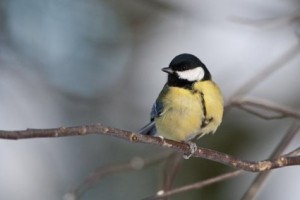
It so happens that this species of pine caterpillar is a favorite food for the birds of the tit family, so the birds’ nests with be placed in trees in key spots like schools and other public areas, in order to try to reduce the risk of their harmful effect by means of boosting the tit population.
According to a council statement, this opting for biological control is seen as a complementary solution to controlling the pest, and resulted from the awareness of the importance of preserving the habitats and biodiversity.
There are other benefits to creating conditions for the tit population because the birds of the tit family are well-adapted to urban life and they already populate forests and parks across the country. The fact that they also happen to be one of the pine tree caterpillar’s main predators is key to keeping the proliferation of the insect down.
Albufeira councilor for the environment Jose Sequeira described described the project as being innovative and of a high environmental interest because it allows to control highly noxious pests through biodiversity.
The project will also be the subject and focus of several studies which will be carried out by the engineers from the council and the Rio Formosa Nature Reserve.
The pine tree caterpillar numbers have to be kept down because they pose a serious risk to public health being capable of causing a plethora of problems both in humans as well as domestic animals. The problems range from skin allergies to breathing and sight problems, to dizziness, vertigo and in some extreme cases, even death.
They inject toxic substances through their tiny hairs which act like tiny needles when they come in contact with the skin or mucus of whatever touches them, thus curious children and pets are at risk.