Tag Archives: travel
Top 5 festivals and events to experience in the Algarve in late August 2026!
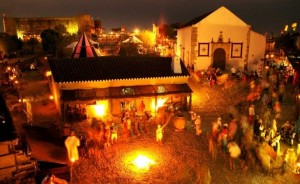
Late August is when the Algarve truly embraces the final weeks of summer. Across the region, historic towns, seaside villages, and lively coastal resorts become the setting for music festivals, cultural celebrations, traditional events, and unforgettable evenings by the Atlantic. Whether you’re visiting for the beaches, food, nightlife, or local traditions, the Algarve’s event calendar adds another exciting dimension to your holiday.
From large-scale regional festivals to centuries-old celebrations and lively beach parties, there is something for every type of traveler. If you’re planning a summer getaway, these five events are among the best ways to experience the Algarve while making the most of the warm Mediterranean climate.
1. FATACIL – Lagoa | 21–30 August 2026
One of the Algarve’s most important summer events, FATACIL brings together agriculture, gastronomy, handicrafts, local products, entertainment, and live music in Lagoa. Taking place from 21 to 30 August, the festival attracts visitors from across the region and offers an excellent opportunity to experience the traditional side of Algarve culture.
Alongside exhibitions and regional food, visitors can enjoy concerts, equestrian shows, folklore, and a lively atmosphere that continues late into the evening. Whether you’re travelling with family, friends, or simply looking to discover more of Portuguese culture, FATACIL is one of the highlights of the Algarve summer.
2. Medieval Days – Castro Marim | 26–30 August 2026
For a completely different experience, the Medieval Days in Castro Marim transport visitors back in time. From 26 to 30 August, the historic town and castle become the setting for medieval performances, parades, traditional music, crafts, food, and spectacular historical entertainment.
The event combines the atmosphere of a medieval festival with the impressive surroundings of Castro Marim, making it particularly appealing for visitors who want to explore the eastern Algarve. It is also a great opportunity to combine the festival with a road trip to nearby Tavira, Monte Gordo, or Vila Real de Santo António.
If you’re planning to explore several parts of the Algarve, Lagos Car Hire offers a convenient way to travel at your own pace, with car hire options designed for visitors exploring the region.
3. Multicultural Night & Banho 29 – Aljezur | 28–29 August 2026
The end of August is a particularly interesting time to visit Aljezur, where local celebrations combine music, food, culture, and traditional customs. The Multicultural Night and municipal celebrations take place around 28–29 August, creating a lively atmosphere in one of the Algarve’s most charming inland towns.
One of the highlights of this period is Banho 29, a traditional late-August sea-bathing celebration. Alongside the festivities, visitors can explore the surrounding Costa Vicentina, including beautiful beaches and some of the region’s most dramatic Atlantic scenery.
Having a car makes it much easier to discover this part of the Algarve, especially if you want to combine Aljezur with nearby beaches and coastal villages.
For travellers arriving at Faro Airport, arranging your transport in advance can make the start of your holiday much easier. Faro Airport Transfers provides a convenient way to travel directly from the airport to your accommodation.
4. Carvoeiro Beach Party – 29 August 2026
For visitors looking for music and nightlife, the Carvoeiro Beach Party is one of the most exciting events of the final weekend of August. Taking place on 29 August, the event brings music and entertainment to the heart of Carvoeiro, with performances continuing into the early hours.
The combination of a beautiful Algarve beach, warm summer temperatures, and an energetic evening atmosphere makes this an ideal event for couples, groups of friends, and younger travellers looking to experience the Algarve after dark.
Carvoeiro’s location also makes it easy to combine the party with a day exploring the surrounding coastline, enjoying the area’s famous beaches, cliffs, and restaurants before the evening festivities begin.
5. Nossa Senhora da Encarnação Celebrations – Carvoeiro | Late August 2026
The final weekend of August is also an important time for the traditional Nossa Senhora da Encarnação celebrations in Carvoeiro. The event offers visitors an opportunity to experience the Algarve’s religious and community traditions while enjoying the lively atmosphere of one of the region’s best-known coastal villages.
Traditional celebrations, local customs, and the atmosphere around the village provide a different perspective on the Algarve, beyond its beaches and tourist resorts. Visitors can combine the celebrations with a walk along the coast, dinner overlooking the Atlantic, and the Carvoeiro Beach Party later in the evening. For those planning to explore more of the Algarve during their stay, having a rental car makes it easier to move between coastal towns, beaches, and evening events without relying on public transport.
With festivals and celebrations taking place across different parts of the Algarve, planning your transportation in advance allows you to make the most of your holiday. Booking your airport transfer with Faro Airport Transfers provides a comfortable and hassle-free start to your trip, giving you more time to explore the region’s beaches, historic towns, and lively events.
For travellers who want to discover more than one destination, Lagos Car Hire offers the flexibility to explore the Algarve by car, from Lagos and Aljezur to Lagoa, Carvoeiro, and Castro Marim.
From major summer festivals and medieval celebrations to traditional local events and unforgettable evenings by the sea, late August is the perfect time to experience the Algarve at its most vibrant, lively, and welcoming.
Visiting the Azores in December 2025? These Events Make It Worth the Trip!

December is a magical time to visit the Azores when the islands embrace the Christmas season with illuminated streets, traditional music, community fairs, and cultural events. While the summer months highlight nature and adventure, winter in the Azores offers a slower, more authentic atmosphere, where local traditions, holiday celebrations, and warm hospitality take center stage. From festive markets in Ponta Delgada to cultural programs in Angra do Heroísmo and intimate community events on smaller islands, December provides a unique opportunity to experience Azorean life at its most genuine.
Traveling between events and accommodations during this period is much easier with reliable transportation, particularly as daylight hours are shorter and festivities often take place in the evenings. Planning ahead allows you to focus on enjoying concerts, markets, workshops, and Christmas celebrations without worrying about logistics — ensuring your winter getaway in the Azores is both relaxed and memorable.
1. Animations & Christmas Activities in Ponta Delgada
Dates: 15 – 23 December 2025
Location: Ponta Delgada, São Miguel Island
The historic centre of Ponta Delgada comes alive with festive itinerant Christmas animations from mid-December, featuring street performances, seasonal decorations, and light displays that fill the town with holiday spirit. Expect strolling entertainers, surprise pop-up performances, and family-friendly fun perfect for soaking up the festive ambiance before Christmas Eve. This kind of schedule is usually organised by the local municipality and complements the city’s broader Christmas program.
2. “Ler é Saber” – Holiday Reading Initiative (Corvo)
Dates: 19 – 30 December 2025
Location: Casa do Tempo & Pavilhão Multiusos, Corvo Island
Starting on 19 December, the “Ler é Saber” (Read is Know) program invites both locals and visitors to enjoy a relaxed holiday reading initiative at the Ecomuseu do Corvo. Throughout the day, a variety of books for different ages are available for borrowing at the museum and multi-purpose hall, offering a great cultural activity during the quieter Christmas week. It’s ideal if you’re on the tiny island of Corvo and want a thoughtful, community-centric experience.
3. Feira de Natal (Christmas Fair) at Museu da Horta
Date: 20 December 2025 (approx. 14:00 – 18:00)
Location: Horta, Faial Island
On 20 December, the Feira de Natal (Christmas Fair) is traditionally hosted by the Museu da Horta (or local cultural associations), creating a festive afternoon market with local crafts, seasonal treats, and community celebration. While exact details are confirmed closer to the date, these museum-linked Christmas fairs often blend artisanal stalls with holiday music, mulled drinks, and family-friendly activities.
4. Christmas & Cultural Events in Angra do Heroísmo
Dates: Mid-December through late December
Location: Angra do Heroísmo, Terceira Island
The “Christmas in Angra” program features a rich seasonal agenda in this UNESCO World Heritage city, including concerts, street entertainment, film screenings, children’s activities, and creative workshops, transforming the historic streets and squares into festive gathering places for all ages. Events are spread throughout December and make great stops if you’re exploring Terceira around 19 December.
5. Cultural Performances & Workshops (Various Islands)
Dates: 17 – 19 December 2025 and beyond
While not always publicised far in advance, creative workshops and performances — such as Dance Creative Workshops (Corvo) and local theatre or music programs — take place around these dates in smaller island venues (e.g., community halls and cultural centres). These often highlight local artistic expression and are a great way to experience Azorean culture away from the bigger city markets. (e.g., Corvo’s dance workshop does run 17-19).
With festive events and cultural celebrations spread across Ponta Delgada, Terceira, Faial, and even smaller islands during the second half of December, having reliable transportation is essential to make the most of your trip. Whether you’re arriving just in time for Christmas markets, evening concerts, or community fairs starting from 19 December 2025, a smooth airport transfer helps you begin your holiday stress-free.
For visitors landing on São Miguel, Low Cost Transfers – Ponta Delgada Airport offers a practical and budget-friendly solution for getting from the airport directly to your hotel, accommodation, or event location. Pre-booking your transfer means no waiting in taxi lines, clear pricing during the busy Christmas period, and more time to enjoy the unique atmosphere of the Azores in winter. It’s an especially convenient option if you’re traveling with luggage, family, or on a tight festive schedule.
5 Hidden Azores Gems You’ll Wish You Discovered Sooner!

1. Lagoa do Congro — The Emerald Bowl Lost in the Forest
Few visitors find their way to Lagoa do Congro. There are no tour buses, no gift shops, no paved viewpoints. Just a small sign by a rural road and a narrow trail that slips into thick woodland. Within minutes, the outside world seems to fall away.
The path winds between chestnut trees and hydrangea roots still curled from summer blooms. The forest floor is soft underfoot—damp with November rain, rich with the scent of earth. Then the trail drops suddenly, and the lake appears like a secret being revealed.
Lagoa do Congro is a perfect green circle, tucked inside a collapsed volcanic crater. In autumn, wisps of mist hover above the surface, drifting slowly across the water. No boats, no swimmers, just silence and the occasional ripple from a falling leaf.
It’s the kind of place where you sit on a moss-covered rock and lose track of time. A small, quiet world that feels entirely your own.
2. Ribeira dos Caldeirões Natural Park — Waterfalls, Mills, and Mossy Stillness
On the eastern side of the island, where tourism thins into sleepy villages and terraced hillsides, Ribeira dos Caldeirões waits quietly. Even from the parking area, you can hear the river working its way through the valley—long before you see it.
Old stone watermills stand along the riverbanks, relics from a time when the island pulsed with rural industry. Some have been restored, their wooden gears and millstones now decorative, but they still exude the feeling of a working past.
The main waterfall pours down a wall of green, framed by ferns and dripping moss. November’s rains strengthen its flow, turning it into a white ribbon cutting through the dark rock. Smaller cascades trickle down nearby slopes, creating an orchestra of water layered across the park.
Wandering the paths feels like stepping into an Azorean Eden—lush, quiet, and humbly beautiful.
3. Miradouro do Salto do Cavalo — A Vast, Untouched Panorama
When the more famous viewpoints are wrapped in fog or crowded with late-season visitors, Salto do Cavalo remains serenely empty. Perched high above the town of Povoação, it offers one of the most expansive views on the island, yet somehow it’s rarely discussed.
The road up climbs through twisting switchbacks, passing dairy farms, stone walls, and highland pastures. As you ascend, the air grows cooler, carrying the earthy scent of wet grass and eucalyptus.
From the viewpoint, the landscape opens in a sweeping panorama: rolling green mountains folding into one another, deep valleys shaped by centuries of volcanic force, and the ocean stretching far beyond. On clear November afternoons, light filters through shifting clouds, illuminating different sections of the valley in slow-moving beams.
It’s the sort of place where you exhale without realizing you were holding your breath.
4. Poço Azul via the Sanguinho Trail — A Walk Through a Forgotten Village
The trail to Poço Azul begins in Faial da Terra, a quiet village where roosters crow and laundry flutters on balconies. The path leads upward past old stone steps and into the ghost village of Sanguinho.
Sanguinho is small—just a cluster of traditional houses built from dark volcanic rock. Many were abandoned decades ago when life in the valley grew too difficult, but some have recently been restored. Walking among them feels like moving through a chapter of Azorean history, one of hardship, migration, and resilience.
Beyond the village, the trail plunges into dense forest, where tree trunks twist like sculptures and the air is cool and damp. The sound of distant water grows louder until Poço Azul appears—a clear, blue pool nestled among moss-covered stones.
In November, the forest is especially lush, and mist clings to the branches. Almost no one else is here. It feels like a discovery, even though the trail has existed for generations.
5. Farol do Arnel & the Cliffside Road — A Descent to the Edge of the Atlantic
Far on São Miguel’s northeastern tip stands the island’s oldest lighthouse, Farol do Arnel. Most visitors snap a photo from above and move on. Few choose to walk the steep, narrow road that descends to the lighthouse—and fewer still visit in late autumn.
But the walk is worth every step.
The road clings to the cliffs in dramatic fashion, plunging toward the ocean in tight curves. Along the way, small fishermen’s cottages dot the hillside, painted white against the dark basalt rocks. The air is thick with the scent of sea spray and wild fennel.
At the bottom, the lighthouse stands quiet and dignified, surrounded by the roar of Atlantic waves. November brings stronger swells, sending water crashing against the volcanic shoreline in explosions of white foam.
Down here, with the cliffs towering overhead and the sea stretching endlessly outward, you feel the raw power of the island more intensely than almost anywhere else.
Wandering through São Miguel’s lesser-known wonders is one of the island’s greatest pleasures—but reaching these remote spots isn’t always simple. Narrow roads twist through foggy highlands, hidden trails begin where bus routes end, and the most rewarding views often lie far from the main tourist paths.
That’s where Ponta Delgada Transfers becomes an invaluable part of the journey. Whether you’re heading to a secluded waterfall, a quiet crater lake, or a cliff-top lighthouse, their reliable, local drivers ensure you arrive comfortably and stress-free. No guesswork, no navigating unfamiliar roads—just smooth, safe travel from one unforgettable location to the next.
With flexible schedules, door-to-door service, and the reassuring knowledge that someone experienced knows the island better than any map, Ponta Delgada Transfers lets you focus entirely on the beauty around you. So as you set out to discover São Miguel’s hidden gems, you can do it the easy way—with calm journeys, friendly guidance, and transportation that’s always ready when you need it.
Savor the most thrilling experiences in Algarve!

Southern Portugal’s Algarve region is well known for its breathtaking coastline, quaint towns and breathtaking scenery.
1. Ponta da Piedade (Lagos)
This well-known location is well-known for its striking cliffs, unique rock formations and azure waters.
Visitors can use a boat, kayak or paddleboard to explore sea caverns and hidden grottoes. The vistas from the cliffs provide stunning panoramas of the Atlantic Ocean, making it a must-see for nature enthusiasts and photographers.
2. Benagil Cave (Carvoeiro)
One of the most well-known sea caves in the world is Benagil Cave.
This natural wonder, which can only be reached by boat, kayak or paddleboard, features a huge circular aperture in its roof that lets light stream into the sandy beach below.
Adventurers and beachgoers will find this place to be bizarre and breathtaking.
3. Tavira
Tavira is a charming town with a touch of traditional Portuguese architecture.
With its whitewashed buildings, ancient churches and Roman bridge, this Algarve village is less crowded than others.
Tavira Island, which is easily accessible by ferry, has lovely beaches that are ideal for unwinding.
4. Ria Formosa Natural Park
From Faro to Tavira, the enormous, protected lagoon system known as Ria Formosa stretches along the coast of the Algarve.
Birdwatchers, nature lovers and anyone interested in boat cruises through the park’s network of canals, islands and marshlands will find paradise here.
In this tranquil setting, chameleons, flamingos and other wildlife can be seen.
5. Sagres and Cape St. Vincent
Sagres is a mountainous and windswept hamlet at the southern coast of the Algarve, close to Cape St. Vincent, renowned as the “End of the World” during the Age of Discovery.
Adventurers and history lovers will love Cape St. Vincent’s dramatic vistas of the Atlantic and sense of isolation provided by the lighthouse and soaring cliffs.
These places encapsulate the Algarve‘s abundance of adventure, natural beauty and cultural diversity.
Savor the most thrilling experiences in the Algarve with your loved ones, always relying on Lagos Car Hire for top-notch car rental services anytime you need them and Faro Airport Transfers for simple, hassle-free transfers!
Top 5 things to do in Algarve- part 2
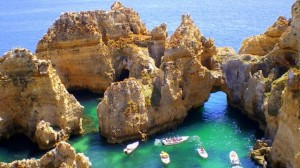
The Algarve, in southern Portugal, is a special location since it has 150 kilometers of coastline that faces the Atlantic Ocean. The area is one of the most developed tourist destinations in all of Europe and offers the ideal blend of natural beauty and historic legacy.
The Algarve, which is frequently mistakenly referred to as Portugal’s “mass tourism” zone, yet has a wealth of choices for a vacation rich in both culture and nature.
Discover the traditions and events from Algarve in December!
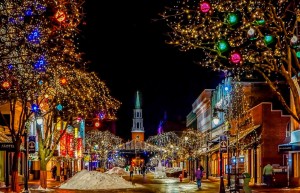
The Algarve is the ideal location in Europe for a winter vacation. The stunning Algarve region in southern Portugal welcomes guests with breathtaking vistas, countless beaches, charming coastal towns and unique festivals and events.
For those wishing to get away from the cold during the winter, this sun-kissed region of southern Portugal is a great choice.
Blissfully quiet beaches, peaceful hiking trails, staggering cliffs, colorfully tiled fishing villages, and breathtaking landscapes are only some of the things you can expect from Algarve in winter.
If you’re looking for European winter sun, Algarve is the place to be! Enjoy the amazing December festivals with your family and friends in Algarve!