Algarve wants winter tourism
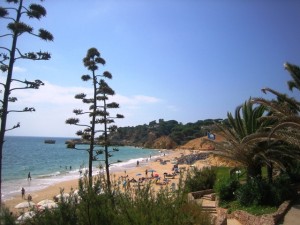
Last week in Albufeira, the national tourism board Turismo de Portugal, announced a massive plan meant to combat seasonality in the Algarve by increasing the number of visitors to the region in the winter season.
New contracts have been signed by Turismo de Portugal in a bid to see more tourist all-year-round and they expect that this will result in an extra 20,000 tourists touching down at the Faro Airport this year.
All of these new flight towards faro will be originating from four markets that are now considered a priority by the Turismo de Portugal because they have a great potential o generating more tourists in the short-term, namely Germany, Scandinavia, Ireland and Poland. This has come at the cost of 400,000 euros which the government has invested into increasing the number of air flight routes to Faro Airport.
According to the Secretary of State for Tourism, the Algarve has to focus on receiving more winter tourists by cultivating and growing ties with airline companies and tour operators, rather than trying to attract new visitors by organizing events like concerts or parties. A representative from Turismo de Portugal has also added that this is the first time that a plan of ‘these dimensions’ has been put into practice.
Now for some Algarve related tourism numbers in order to put some things into perspective: the region sees 14.3 million annual overnight stays, with 10.9 million of these being booked by foreign visitors. In 2012, almost a half – 47% – of overnight stays took place over the summer season.
With those numbers in mind, we’ve been talking quite a bit lately about the fact that overall business is down, and has been down for the past couple of years, however the government has been taking steps to increase the number of tourists.
In 2013, during the first three months of the year for instance, the number of foreign tourists visiting the region increased by 14.5%, and that’s a pretty decent number.
We’ll just have to wait and see if and which result this new approach will have on the future of the region’s tourism.