Tag Archives: algarve
The Algarve hosted the World Travel Awards Europe Ceremony 2012

The Algarve has recently played host to the World Travel Awards (WTA) Europe Ceremony 2012, which drew in important representative from the continent’s finest travel brands.
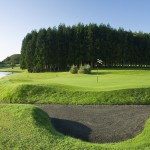
The event also featured the WTA Europe Golf Classic tournament which was played on the region’s best championship course, and considering we’re talking about the Algarve here, that must’ve been quite a hard choice to make, but they set on the Quinta do Lago South Course.
Algarve toll fees update

We continue our coverage of the Algarve toll fees fiasco that we reported on yesterday with a bit of a late update. Ever since the October 1st, all the users of the former SCUT roads in Portugal – and this applies to the Algarve Via do Infante or A22 – will benefit from a reduction in toll fees. This was announced on September 30th, just before the exemption for Algarve residents that we talked about yesterday would expire.
The new, reduced, charges will apply to all users, with transport companies benefitting from an extra ten percent reduction during the day and a twenty-five percent reduction during night time.
A call to end the A22 toll from the Algarve tourism sector
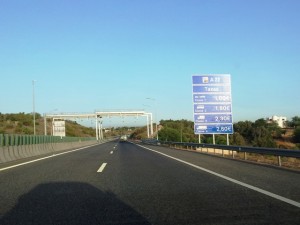
Three major figures leading the Algarve tourism sector have recently called for the immediate suspicion of the very controversial toll charges on the A22 motorway – Via do Infante – one of them describing them as being a “gross economic, political and social error”.
Why has this not happened sooner? Well the protest was sparked by the decision of the Portuguese Government to not extend the exemption granted to residents beyond the end of September, even if by all accounts the tourism sector was on the whole expecting it.
Britons have already booked their 2014 holidays
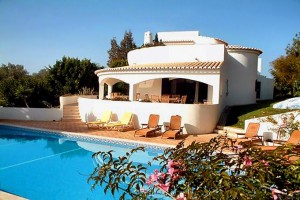
One of the United Kingdom’s leading discount websites has found that a bit under a fifth of Britons have already booked their 2014 holidays, that’s right, not 2013, 2014. Now if that isn’t strange enough, the explanation that about a third of those who have already booked gave for their choice, was so that they could avoid spending the money on something else.
Some Algarve peak season 2012 numbers

Considering the tough economic times that the entire European region has been going through, and is expected to still go through for the near future, especially the rising economic problems in both Portugal and Spain, the prospects for tourism in the Algarve were not extremely optimist, looking from the outside.
It turns out however, that the Algarve peak season tourism numbers have met the expectations of the local Algarve Hotels and Resorts Association, in fact they were slightly larger than the numbers in the same period of 2011.
Albufeira guide
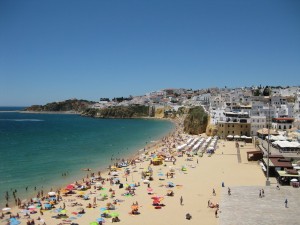
The town of Albufeira is one of the Algarve’s most well known resort towns. Like many other destinations in this sun drenched and sea kissed part of the coast, Albufeira started its life as nothing more but a small fishing village, only developing into a major tourist destination relatively recently.
Many holidaymakers return to Albufeira city Portugal when they’re looking for a specific type of atmosphere which mixes great climate, lovely beaches and a plethora of eating establishments.