Mediterranean Diet wins UNESCO seal of approval

We talked earlier about Portugal’s claim to UNESCO to recognize the Mediterranean diet as an intangible cultural item and it appears that they have done it.
This past Wednesday in Baku, Azerbaijan, UNESCO classified the Mediterranean Diet as being an intangible cultural heritage.
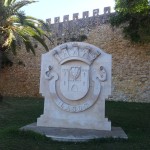
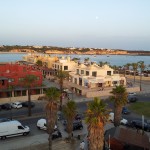
This decision was taken during the 8th session of the Intergovernmental Committee to Safeguard UNESCO Intangible Cultural Heritage. The Portuguese delegation was led by the Tavira town council which spearheaded the entire endeavor by submitting the transnational application in conjunction with Cyprus, Croatia, Greece, Spain, Italy and Morocco.
Fado music got the same classification two year ago and it’s great to see that Portugal has managed to get the Mediterranean Diet recognized as well. This is quite an accomplishment for the Algarve region as this is the first time it has had its heritage recognized by UNESCO.
According to the documents defining the Mediterranean Diet, this is a lifestyle passed down from generation to generation which includes productive practices – agriculture and fishing – ways of preparing, cooking and eating, festivities, oral traditions as well as artistic expressions.
As far as the ‘diet’ itself goes, it is characterized in general by little red meat and meat in general but very rich in vegetables, fish, dried fruit, olive oil and just a splash of red wine.
This success has come on the heels of Mediterranean Diet gaining in popularity all around the world with sales of Mediterranean foods increasing in the past decade. Things like hummus has become more popular and olive oil imports have doubled in some place, not to mention the fact that things like sun-dried tomatoes, pita bread or Greek yoghurt were pretty much unknown before the Med Diet started to become known.
We’ll make sure to talk more about the science behind the Mediterranean Diet in the future.