Algarve cuisine
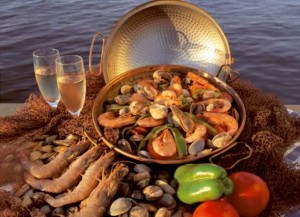
The Algarve cuisine, as is the case with other gastronomies around the world, is heavily influenced by a mixture of factors such as geography, history and various cultural influences.
While most people will be familiar with the coastline of the Algarve and its many great beaches, there is much more to the region than just that. In fact the large majority of the Algarve is not made up of coastline, it is a landscape made up of rolling hills and valleys, all of which are dotted with almond, fig, olive and orange trees.
But the huge length of the coastline cannot be ignored when it comes to food, and this is where you can see how the Algarve cuisine has developed in two distinct directions. One is based heavily on using fish and shellfish, and the other focuses more on using a variety of meat, game and other local grown ingredients.
The Algarve culinary scene is still based a lot on traditional home cooking, with recipes being passed down through generations, but at the same time Portugal is the country through which a plethora of plants and spices were introduced to Europe, including pepper, tea, tomatoes and potatoes, just to name a few.
There are some foreign influences that have left their mark however, the oldest probably being the Goths who introduced stews to the region, and they still are a major part of Portuguese cooking.
Regardless of what you talk about when you talk about the Algarve, the Moorish influence has to have a say in it, and of course the culinary spectrum isn’t an exception from it. The Moors introduced a variety of cakes and sweetmeats, as well as a range of new plants.
We haven’t gone into detail yet as to particular recipes just because we felt that a general idea of what it is to eat in Algarve was a better choice, but stay tuned for future articles, and keep in mind that Faro Transfers services are a great way of experiencing as much of it as possible.