Algarve: A very quick history of the region
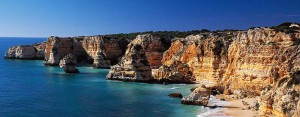
We talk a lot about the Algarve on this blog, and we’ll do a lot more talking in the weeks to come, so it might be time for a crash course in the history of the region in which we’ll rapidly go through the major events that have shaped the society, culture and people of this region.
The first of the ancient Mediterranean civilizations to set up shop in the region were the Phoenicians, a great trading civilization who had trading ports in the Algarve about three thousand years ago. Then the Carthaginians founded Portus Hanibalis – modern-day Portimao – sometime in the sixth century BC.
Then came the Roman occupation, which spanned the entire Iberian peninsula; in the second century BC their presence reached the Algarve and nowadays you can find many Roman remains all throughout the region, especially in Lagos.
Once the fifth century rolled around it was the Visigoths who took over for a while, only to be expelled by the Moor in 716 – this is when we start getting more reliable dates and data from written sources. The Moors named the region Al-Gharb – the country to the west – and they stayed there for longer than in any other part of Portugal. As a result of this their influence has been major on the overall culture of the Algarve, especially architecturally and culinary.
Then 1250 came by and Alfonso III took the Algarve from the Moors this completing the re-conquest of Portugal.
While there surely were various small battles and skirmishes to be fought between various factions after this period, Alfonso’s re-conquest pretty much spells the end for the majority of tumultuous events in the history of the region. This doesn’t however mean that other historic events did not take place here, quite the contrary.
The Algarve was used by Hendry the Navigator to start his voyages of discovery which laid the building blocks of what would later become the Portuguese Empire.
Despite its importance to the country, the Algarve went into something of an economic decline in the following centuries, because most of the colonial wealth was going to the capital of Lisbon. Then the entire region went through a massive disaster, the great earthquake of 1755 destroying many settlements in the region.
The earthquake is the reason why so many towns that have been rebuilt afterwards feature a very distinctive, rationalist style of architecture.