Tag Archives: algarve
Trans-Guadiana protocol gives new hopes to ‘Eurocity’ region

Even though it seems that only bleak news is coming out of the Algarve, today we’re talking about the Trans-Guadiana protocol, which has been signed between the various traders in cities that line the Guadiana River – which separates Portugal’s Algarve region from Spain’s Andalucia region – which has been the source of some positive feelings amongst business owners on both sides of the river.
Algarve historic sites (part 1)
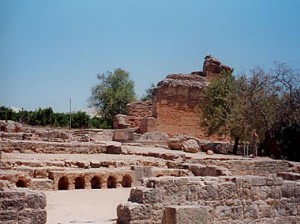
We only rarely focus our attention on the many Algarve historic sites that can be seen and visited in this region, usually we talk more about beaches and festivals, but today we’ll change that with a quick look at some of the historic sites that you can find while on your Algarve trip.
The Algarve needs a new strategy

AHETA – the Algarve hotels and resorts association is of the opinion that the Algarve is in need of improvements in regards to its accessibility in terms of affordable flights. They feel that the lack of overhaul in this area of the tourism policy has weakened the region’s overall competitiveness as a tourist destination.
According to AHETA, the region’s tourism potential and the air transport business should be seen as two sides of the same coin and as such they should not only be viewed together but also walk hand-in-hand. However, in recent years the two sides of the coin have been going their separate ways and this has to be brought to a point of balance as soon as possible so as to better support the Algarve economy.
Loule carnival is set to kick off

The Loule carnival – about which we talked a while back – is ready to start tomorrow on the 9th of February and fill the entire municipality with fun and entertainment.
This year’s Loule carnival will be socio-politically themed, “Troikered – The big circus” is its theme and the main Jose da Costa Mealha avenue will be the main staging ground for the floats and fun.
Algarve golf region takes UK magazine top award

Today’s Golfer – the UK golfing magazine – has yet again named the Algarve golf region as being the number one value-for-money European golfing destination and truthfully speaking now this should not come as a surprise to no one.
This is the second time running that the Algarve golf region gets the top spot, ahead of Turkey and Murcia, getting forty-three percent of the votes. On the whole the Algarve was also the one to get the most awards – six in total.
Suggested VAT rise for wine and culture may happen

We haven’t reported very much on the start-of-year financial news coming from the Algarve, but it’s about time to do so because today we’ll be talking about another potential VAT rise that will surely affect tourism to the region and that people need to be aware of.
It appears to tat the International Monetary Fund – IMF – sees some untapped financial potential for the Portuguese government to increase the VAT on goods and services like wine, processed foods and cultural events thus further widening the tax base. The current VAT for these is set at 13% and the IMF suggests that it can go up to 23%.
This assessment is part of the IMF country report which is part of the sixth evaluation of Portugal’s bailout programme.