Algarve history travel guide 2
In today’s look at the Algarve history travel guide, we’ll continue on from Cacela Velha where we last left off and head westwards toward the now privately owned for of Sao Joao da Barra in Cabanas, which is now a bed and breakfast. Then you can see the Forte de Rato in Tavira which became landlocked by the shifting sands of the Atlantic coast before it was actually finished.
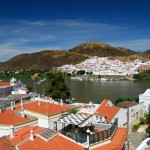
Tavira is described by many to be the prettiest city in the Algarve, and while that may or may not be a disputed notion, what cannot be disputed is its history, having been home to Phoenicians, Romans, Moors and then to many various Northern European settlers.
To the west of Tavira you’ll find Balsa, a large Roman-built town, unfortunately there was little to no political will to conserve its ruins, and allegedly the ruins were used as infill on a nearby road, a sad thought indeed.
Returning to Tavira however, it’s worth to mention that it acted as an important base for conquest and supply of Portugal’s North African garrison towns. This city also did not benefit from nature’s grace for long either, because the river silted up and as such the fortunes of the city changed since bigger boats could not access it any longer.
The place did become a major spot for tuna fishing, so much so that there is a Tuna Museum in the Vila Gale Albacora hotel to the east of Tavira. Then at the Barril Beach near Santa Luzia to the west of the city you’ll find the anchor graveyard, a truly interesting and slightly ominous place to visit. It came about when the fishing industry started declining during the ‘60s and hundreds of now useless anchors were buried here.
Employ our Algarve car hire services to take your own Algarve guide.