Tag Archives: tavira
Vila Real de Santo Antonio guide

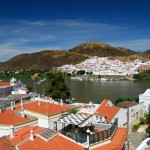
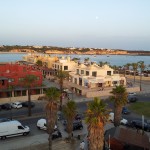
Vila Real de Santo Antonio, Portugal is located on the Guadiana River which is the natural border between Portugal and Spain. From the extreme eastern part of Vila Real one can plainly see the Spanish coastline as well as the river that connects to Ayamonte in Spain.
Those who will be heading here will notice how easy it is to get around the town thanks to it having been built on a grid system, which is something that not many other Algarve settlements can boast. With the help of our small Vila Real de Santo Antonio guide you should get a better idea of what it is that the town can offer you and whether or not you should seriously consider vacationing here.
The town’s grid system was designed by the Marques de Pombal who was rather keen on testing this new type of town planning after all the original settlements in the area were eroded by the beginning of the 17th century. The Royal charter founding the town was signed on the 30th of December 1773 and by August 6th of next year, the Town Hall, Customs House and the barracks were already completed.
Tavira guide
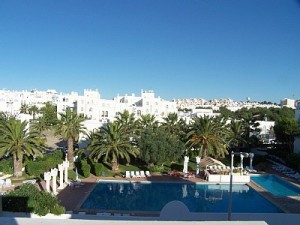
The town of Tavira, Portugal is a beautiful and elegant settlement, some consider it almost surreal in some aspects of it. Tavira is still an Algarvian fishing town, that much stays the same, however visitors might find what they see at odds with that particular notion seeing how unique this town is from most of the surrounding resorts.
Just like the rest of the region, Tavira spent quite a few centuries under Arab rule, in this case it was between the 8th and 13th centuries, after which it was conquered by the Knights of the Order of Santiago in 1242. Then between the 16th and 18th centuries, Tavira was the main trading port in the region. As you can plainly see, a very rich history, and we’ll try to give you a general overview on the place with this short Tavira guide.
What makes the town of Tavira stand out from most of the other Algarve towns is that it managed to somehow stave off the influence of mass tourism and preserve its unique traditions and handsome character. Part of this character is the seven arch bridge which spans the Gilao river; while its current appearance dates from the 17th century, the bridge itself is believed to have been built by the Romans. Severe floods affected the bridge back in 1989 and ever since it has only been open to pedestrian traffic, so you can still get to cross it, only you’ll be doing it on foot and some might argue that this is a much better way.