Events in Algarve in November and December
If you are planning to make a great trip in November/December to the wonderful Algarve you will definetely want to know this awesome events that are taking place here. More »
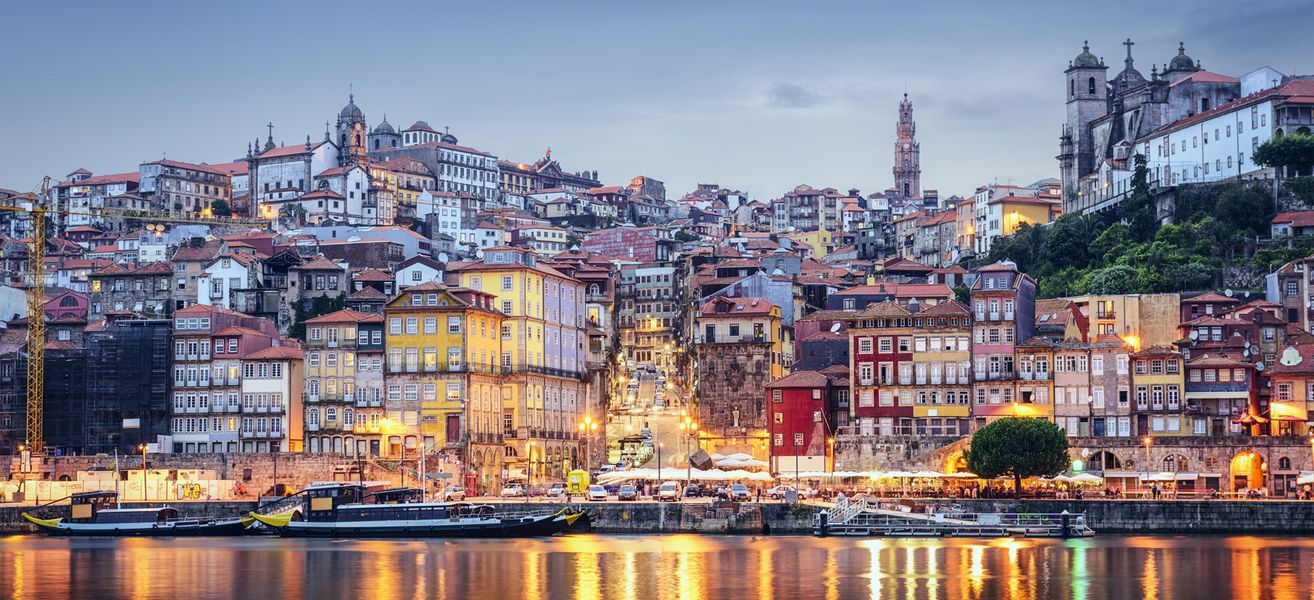
9 perfect tourist attractions to visit in Portugal this summer – Part 3
Dear friends, we are back with the 9 perfect tourist attractions to visit in Portugal this summer – Part 3 sees us going through the last three attractions of choice on our More »

9 perfect tourist attractions to visit in Portugal this summer – Part 2
We have finally come to the essential: Part 2 of the 9 perfect tourist attractions to visit in Portugal this summer brings us to the seaside, the sunny, brilliant, shimmering shores of More »

10 Places not to miss in Portimao – Part 1
Summer is here and it is the very best time to be in Portugal, by the ocean, drinking a cocktail and reading a good book on the rocky beaches. Today we give More »

The golf season in Algarve is on! – Part 2
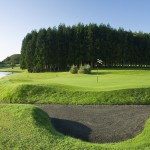
The golf season in Algarve is on! Spring is probably the best time to practice golf: picture an endless green field surrounded by the blue waters of the Atlantic, the mild More »

The golf season in Algarve is on!
Dear friends in love with 2 things: Algarve, Portugal and golf, we have great news for you. The golf season in Algarve is on! The sunny shores of southern Portugal are More »

Did you know golf…
Did you know golf is one of the most popular sports in Portugal? In fact, the sunny shores of the southern part of the country are the some of the welcoming regions More »
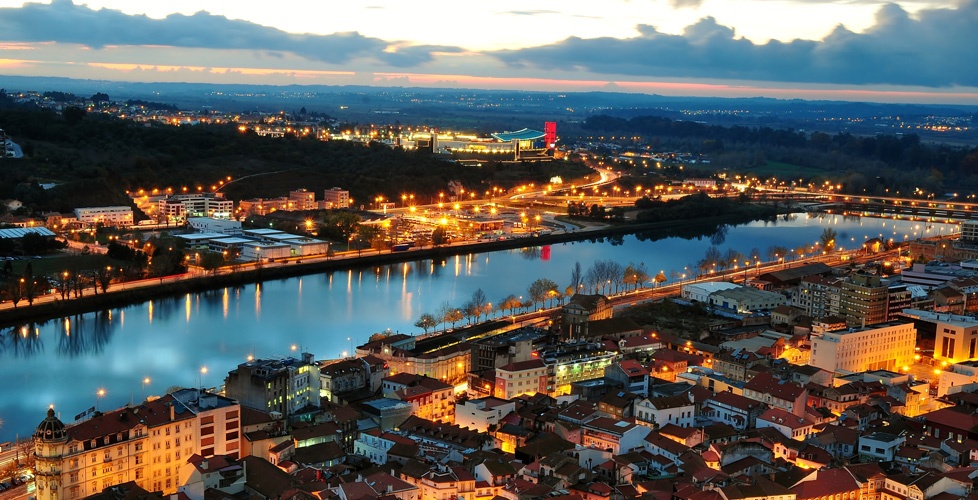
A romantic Valentine’s Day in Portugal – Part 3
From a romantic Valentine’s Day in Portugal we got to explore some of the most wonderful corners of this beautiful country. It might be interesting to remind that February is a pleasant More »
Festival da sardinha Portimao – The Portimao Sardine Festival

It’s a good thing that the Portimao Sardine Festival exists, otherwise this town would be nothing more than just another resort city.
The Portuguese town of Portimao is one of the many Algarve resorts that attract many millions of visitors each year. It is located on the southern coast of Portugal and offers a plethora of attractions and activities for its visitors thanks to the presence of the sea and such.
However we’ll be talking about one event that sets Portimao apart from the many other Algarve resorts, namely the Portimao Festival da Sardinha, or the Portimao Sardine Festival.
The 2012 Silves Medieval Fair – Feira Medieval Silves

We find ourselves right in the middle of the Silves Medieval Fair, or “Feira Medieval Silves” as the portughese is called, which started on the 28th of July and will continue till the 5th of August this year. These means that for a total of nine days, the historic city centre of Silves will be transported back in time when it was a prosperous medieval city in the Kingdom of the Algarve.
The overarching goal of this Fair is to offer to modern eyes, a view of what the city had been and how the world was those many centuries ago. Young and old, residents and tourists are all welcomed to this event which also plans to promote the country and the city to the world at large. And in the Algarve, you need to set yourself apart from the plethora of coastal resorts or quaint villages, by any means necessary, and a medieval fair will surely shine a bright light on Silves.
Albufeira guide
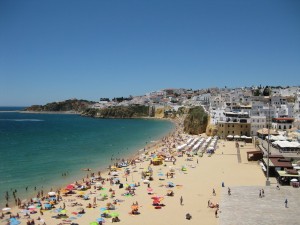
The town of Albufeira is one of the Algarve’s most well known resort towns. Like many other destinations in this sun drenched and sea kissed part of the coast, Albufeira started its life as nothing more but a small fishing village, only developing into a major tourist destination relatively recently.
Many holidaymakers return to Albufeira city Portugal when they’re looking for a specific type of atmosphere which mixes great climate, lovely beaches and a plethora of eating establishments.
Vila Real de Santo Antonio guide

Vila Real de Santo Antonio, Portugal is located on the Guadiana River which is the natural border between Portugal and Spain. From the extreme eastern part of Vila Real one can plainly see the Spanish coastline as well as the river that connects to Ayamonte in Spain.
Those who will be heading here will notice how easy it is to get around the town thanks to it having been built on a grid system, which is something that not many other Algarve settlements can boast. With the help of our small Vila Real de Santo Antonio guide you should get a better idea of what it is that the town can offer you and whether or not you should seriously consider vacationing here.
The town’s grid system was designed by the Marques de Pombal who was rather keen on testing this new type of town planning after all the original settlements in the area were eroded by the beginning of the 17th century. The Royal charter founding the town was signed on the 30th of December 1773 and by August 6th of next year, the Town Hall, Customs House and the barracks were already completed.
Tavira guide
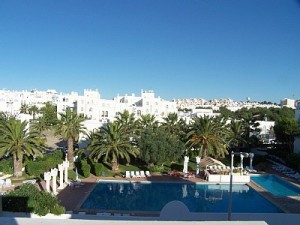
The town of Tavira, Portugal is a beautiful and elegant settlement, some consider it almost surreal in some aspects of it. Tavira is still an Algarvian fishing town, that much stays the same, however visitors might find what they see at odds with that particular notion seeing how unique this town is from most of the surrounding resorts.
Just like the rest of the region, Tavira spent quite a few centuries under Arab rule, in this case it was between the 8th and 13th centuries, after which it was conquered by the Knights of the Order of Santiago in 1242. Then between the 16th and 18th centuries, Tavira was the main trading port in the region. As you can plainly see, a very rich history, and we’ll try to give you a general overview on the place with this short Tavira guide.
What makes the town of Tavira stand out from most of the other Algarve towns is that it managed to somehow stave off the influence of mass tourism and preserve its unique traditions and handsome character. Part of this character is the seven arch bridge which spans the Gilao river; while its current appearance dates from the 17th century, the bridge itself is believed to have been built by the Romans. Severe floods affected the bridge back in 1989 and ever since it has only been open to pedestrian traffic, so you can still get to cross it, only you’ll be doing it on foot and some might argue that this is a much better way.
Silves guide
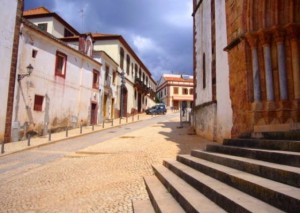
Silves, Portugal sits on the banks of the Arade River, a town littered with lemon and orange trees, Silves is a place full of history and wherever you’ll look, you’ll find some small or large thing that adds to this place’s enchanting atmosphere.
The settlement that is today known as Silves, has always been an important one in the region because thanks to its positioning, it lay at the entrance to the inland areas of the Algarve. Going there now, you can’t really see it, because the river is now too silted up to allow large vessels to travel it, but in centuries past, that was not an issue.
Any Silves guide is pretty much obliged to mention the most prominent monument in the city, namely the Castelo de Silves. This is now the best preserved castle in the region and it towers above the town alongside the nearby Cathedral. Being a fortress it was built on an overlooking hill, obviously so the views from the battlements are quite spectacular. The castle features eleven towers, two of them being barbicans, and its thick walls still enclose an area of about twelve hundred thousand square meters. Four of the towers were rebuilt during the 14th and 15 centuries and as such feature Gothic doorways.